Energy Coordination for Manufacturing

Protecting margins through load-shedding, diesel cost reduction, and production optimisation

Grid ResilienceDiesel OptimisationProduction SchedulingPredictive Maintenance
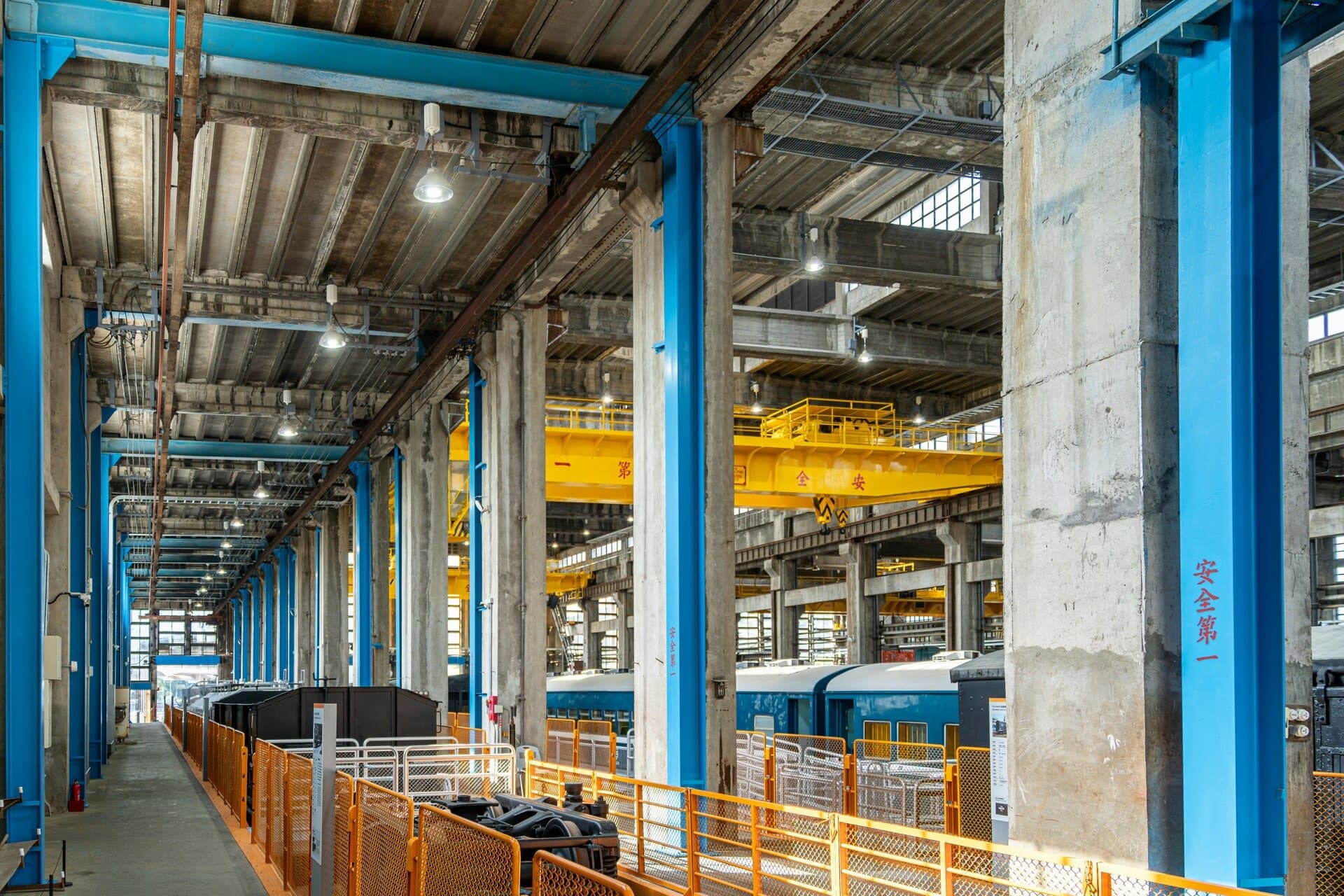
Interior of a large industrial facility with steel beams and overhead crane

The Energy Problem

Industrial facilities already own the assets: grid connection, diesel generators, maybe solar and batteries. Skilled operators manage these systems, making excellent decisions under difficult constraints. The challenge is coordinating them at the speed and scale production requires: millisecond transitions across multiple sources, continuous optimisation 24/7, thousands of power switches per month.

Load-shedding destroys production schedules. Diesel costs 3-5x grid electricity and crushes margins. Equipment sits idle waiting for power, then runs at peak cost when it shouldn't. Cold rooms lose temperature. Production misses deadlines.

Underscore coordinates your existing energy assets (grid, diesel, solar, batteries) around your production requirements. The result: reduced diesel costs, protected margins, and production reliability through grid failures.

How It Works in Practice

The pattern is the same everywhere: you have energy assets, production demands, and no way to coordinate them at speed.

Energy-Intensive Production

The Problem

An industrial bakery producing 1M+ loaves daily. Ovens need preheating. Grid schedule says 4pm-10pm but actually comes 6pm-8pm, maybe. Diesel costs 3-5x grid. Running all-day shifts on diesel burns through fuel budgets.

How Cortex Helps

Edge controllers track energy cost at each load. The orchestrator routes production to equipment with the cheapest available power at that moment. When grid is available, production shifts to the grid window. When grid fails, controllers continue autonomously on diesel, queuing non-urgent work. The system learns your grid schedule and optimises timing to minimise diesel use.

Where Else This Applies

The same logic applies to any energy-intensive process: milling, cassava processing, cement, textiles, plastics. If your production line runs on unreliable power, this is your problem.
Cold-Chain and Refrigeration

The Problem

Cold rooms are the largest energy load in many facilities. Running them on diesel during load-shedding destroys margins. But letting temperature rise destroys product. $4B+ lost annually to cold-chain gaps in Sub-Saharan Africa alone.

How Cortex Helps

Thermal mass is an asset. The orchestrator pre-cools aggressively when grid power is available, building a thermal buffer. During outages, it manages which cold rooms get diesel backup based on product value and temperature sensitivity. If any zone deviates from range, it is detected instantly.

Where Else This Applies

Dairy, pharmaceuticals, fresh produce, frozen goods. Any facility where temperature cannot drift and power cannot be trusted.

Hybrid Energy Coordination

The Problem

You have grid (unreliable, cheap when available), diesel (reliable, expensive), and maybe solar (intermittent, free). Each system operates independently. Nobody is coordinating them.

How Cortex Helps

The orchestrator sees all energy sources as a unified system. It predicts grid availability, solar output, and production demand. It pre-charges batteries from grid or solar, shifts flexible loads to cheap power windows, and reserves diesel for critical loads during extended outages. Your accidental microgrid becomes a coordinated energy system.

Where Else This Applies

This is the universal problem. Whether you run a single factory or a multi-site network across cities, the coordination challenge is the same. The parameters change; the architecture does not.

Predictive Maintenance

The Problem

A motor drawing 15% more current than usual. A compressor cycling more frequently. A pump losing efficiency over two weeks. These are early failure signatures. Without per-machine visibility, they are invisible until something breaks.

How Cortex Helps

Cortex disaggregates total power consumption into per-machine signatures from a single meter point. An anomaly detector runs continuously against each machine's baseline. When a signature deviates, maintenance teams are alerted before the failure cascades into unplanned downtime.

Where Else This Applies

Any facility with rotating machinery, refrigeration compressors, motors, or pumps. The disaggregator requires no sub-metering: one connection point, full machine-level visibility.

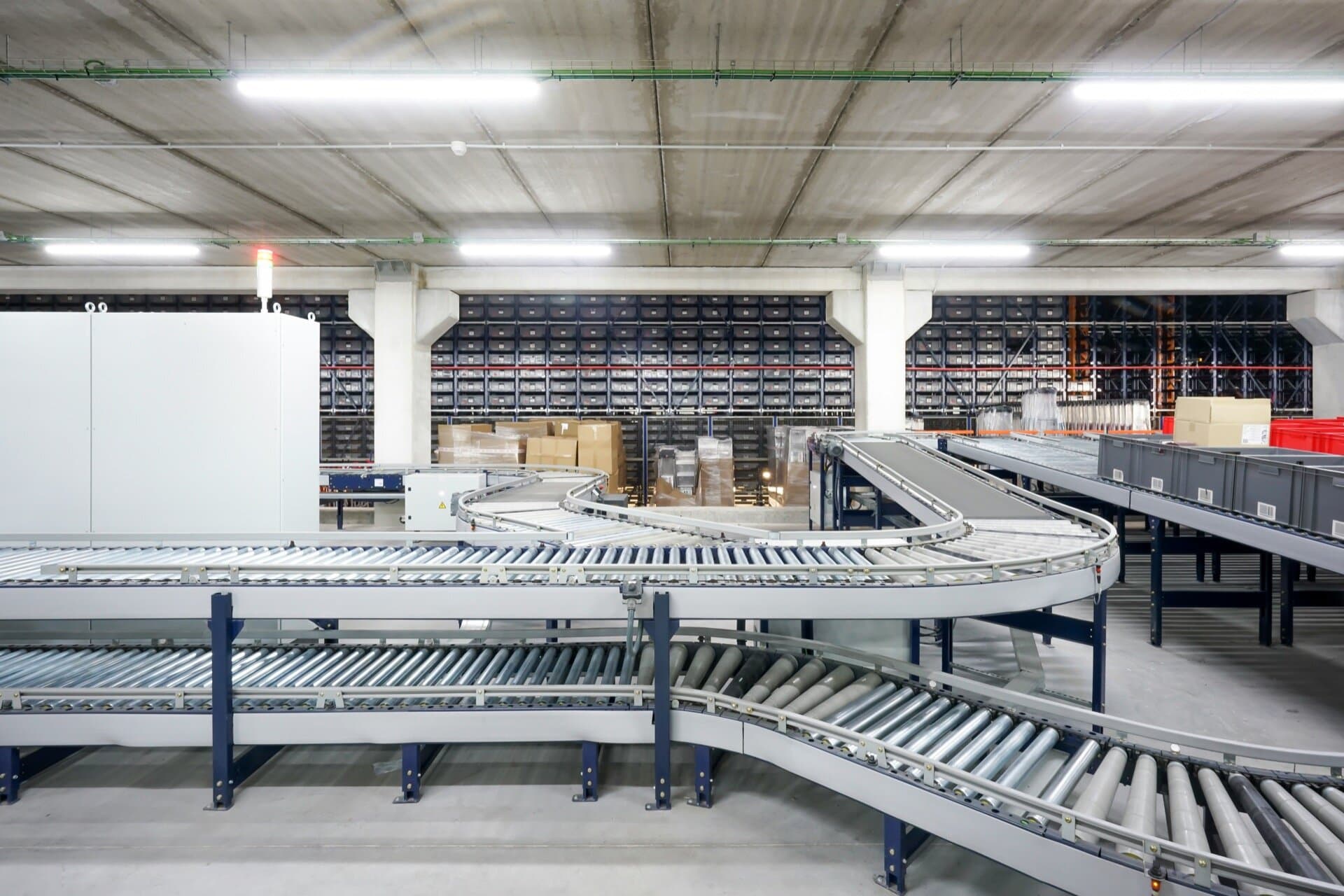
Automated conveyor system inside a modern logistics warehouse

One Architecture, Any Facility

These are not three different products. Every use case is solved by the same underlying system. What changes are the parameters: local grid schedules, energy costs, equipment profiles, production constraints.

Edge Autonomy

Each controller executes locally and maintains state. During infrastructure failures, controllers continue running in their zones. When connectivity returns, they sync. Production does not stop.

Integration Without Replacement

Controllers connect to existing equipment. They do not replace it. Your 50-year-old oven and your new production line both become visible and coordinatable.

Distributed Coordination

Controllers share predictions, negotiate priorities, and coordinate energy routing. No single point of failure. Decision-making is distributed, each running logic locally.

Parameterised Deployment

The core architecture remains consistent. What changes are the parameters: local grid schedules, energy costs, equipment profiles. The system adapts to context without reinvention.

If Your Facility Runs on Unreliable Power, Cortex Fits

We do not need to know your industry to know your problem. Tell us about your facility and we will show you what Cortex would do differently.