How It Works

Edge controllers sense, decide, and execute locally. Switch wrong by 100ms and you fry an inverter. The Orchestrator coordinates diesel, solar, grid, and storage so every source switch is precise — even when the network is down.

Edge-FirstWorks OfflineLearns Continuously

Edge controllers

Small devices deployed across your facility. Each one monitors, decides, and coordinates, even when the network is down.

Works With What You Have

The controllers integrate with whatever hardware exists in your facility: legacy PLCs from 20 years ago, manual controls with relays, modern sensors, or anything in between. The intelligence layer sits above your existing equipment. You're adding coordination, not replacing infrastructure.

Autonomous During Outages

Each controller runs independently. During grid failures or network blackouts, they keep operating: executing schedules locally, making decisions based on cached plans, maintaining production state. When connectivity returns, they sync results back to the cloud. Your operations don't pause for infrastructure failures.
Intelligent Scheduling

Without coordination, your facility manager makes daily decisions based on guesswork: when to start production, which power source to use, how to handle load shedding. Every choice is reactive.

With Underscore, scheduling becomes automatic.

Edge controllers report energy consumption, production state, and equipment status in real time. The Orchestrator sees everything and makes scheduling decisions automatically:

  • Grid power available at 4pm? Pre-heat the oven before the production batch.
  • Grid failed? Switch to diesel. Production adjusts in real time.
  • Solar peaking at 2pm? Shift energy-intensive work to use renewable power. Move diesel-heavy operations to later.
  • Deadline at 6am? The system reverse-plans from your target, factoring in equipment warm-up, batch durations, and energy costs.

Your facility transforms from a manual optimisation problem into an observable, responsive system. The system schedules. You monitor.

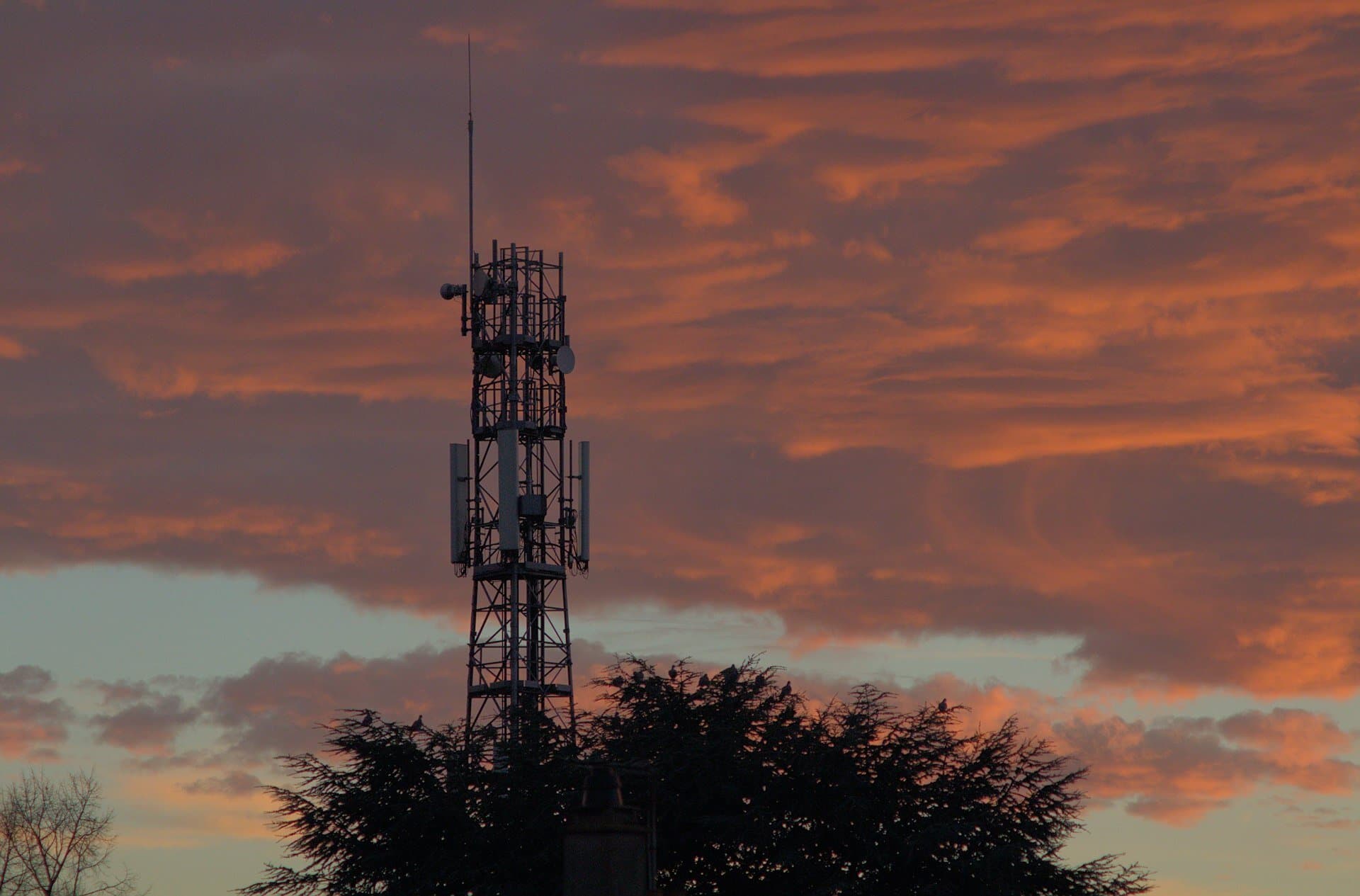
Telecommunications tower silhouetted against a dramatic sunset sky

Energy as a Signal

In cities with unreliable grids, energy isn't a fixed cost. It's a variable. Underscore senses it, schedules around it, and turns volatility into optimisation.

The Approach

When your facility is instrumented and software-controlled, energy stops being a fixed input and becomes a real-time signal. Energy isn't just consumed. It's scheduled.

This turns load shedding, brownouts, and fuel cost spikes from catastrophic constraints into optimisation opportunities. The system learns when cheap power arrives, when solar peaks, when diesel is necessary. Then it adapts.

Visibility Without Sub-Metering

Controllers use non-intrusive load monitoring (NILM) to disaggregate your aggregate signal into generation, storage, cooling, backup power, and base load from a single measurement point.

No sub-metering required. No rewiring. You get full visibility into your facility's energy consumption without instrumenting every asset.

AGG AggregatePV SolarBESS BatteryCS CoolingCHP GeneratorBA Base Load

The diagram shows one noisy aggregate power signal being disaggregated into five distinct component signals: solar generation (a smooth bell curve peaking during daylight), battery storage (rectangular charge and discharge cycles), cooling (rapid on-off pulses, more frequent in afternoon heat), backup generator (step-function blocks during outage windows), and base load (a near-flat line with minor variations). This is the core concept behind non-intrusive load monitoring: understanding what every asset is doing from a single measurement point.

Three Levels of Intelligence

Level 1: Monitoring

Sensors measure kWh usage, power factor, and equipment state. Baseline data for optimisation.

Level 2: Scheduling

The Orchestrator aligns production with the cheapest or most available energy source. Reduced costs, smoother operations.

Level 3: Optimisation

Dynamic modulation of equipment settings, batch timing, and source switching. Autonomous energy management.

Solar Generation Forecasting

Cortex predicts solar output hours ahead, allowing the system to pre-position batteries, shift flexible loads to peak generation windows, and minimise diesel runtime. Forecast accuracy improves continuously as the model learns your site's patterns and local weather conditions.

06:0012:0018:00Optimal generation windowForecastActualNow

Solar generation forecast diagram showing a sun path from dawn to dusk. The diagram displays two curves: a dashed line representing predicted solar output and a solid line showing actual generation. A shaded region from 10am to 2pm highlights the optimal generation window when Cortex shifts energy-intensive operations to use renewable power. The sun's position along the arc indicates current time, demonstrating how the system coordinates production schedules around forecasted solar availability.

Across the Network

Each controller reports in real time: current demand, available energy source (grid, solar, diesel, battery), local cost and carbon intensity.

The Orchestrator then:

  • Routes work to facilities with cheaper or cleaner energy at that moment
  • Pre-heats equipment when renewable energy is abundant
  • Pauses or delays non-critical operations when the grid is strained

The result: a distributed, energy-responsive system. Flexible. Efficient. Resilient.

Built for Where You Operate

Grid failures and network blackouts aren't exceptions. They're part of operations. That's why cellular connectivity and offline operation are built in.

Why This Matters

Cellular connectivity isn't just a communications backup. It's what makes your entire system field-deployable and blackout-resilient.

Each controller operates independently during network outages, collecting data locally and synchronising securely when connectivity returns. You get autonomous edge intelligence with cloud-scale coordination.

Three Dimensions of Resilience

Autonomous Operation

Controllers execute local logic and continue production even when the cloud is unreachable. No blackout, no downtime.

Real-Time Data Flow

Sensors stream production data, energy consumption, and equipment metrics over cellular. Visibility doesn't depend on fixed infrastructure.

Sync on Reconnect

When connectivity returns, controllers replay their state, align with orchestrated schedules, and share learnings. Cascading failures are prevented.

In Practice

Your controller receives a production schedule from the Orchestrator. The grid fails. The controller doesn't wait for the cloud. It starts executing locally using cached plans and backup power. It monitors temperature, flow rates, and equipment state. Every decision is logged.

When the network returns (minutes, hours, or days later), the controller connects, uploads its state and sensor data, reconciles against the central database, and receives updated instructions. The Orchestrator learns from the downtime and optimises around future disruptions.

Infrastructure failures become data points. Production doesn't pause. The system gets smarter.

Ready to Learn More?

See the hardware that makes it possible, or get in touch to discuss your facility.